


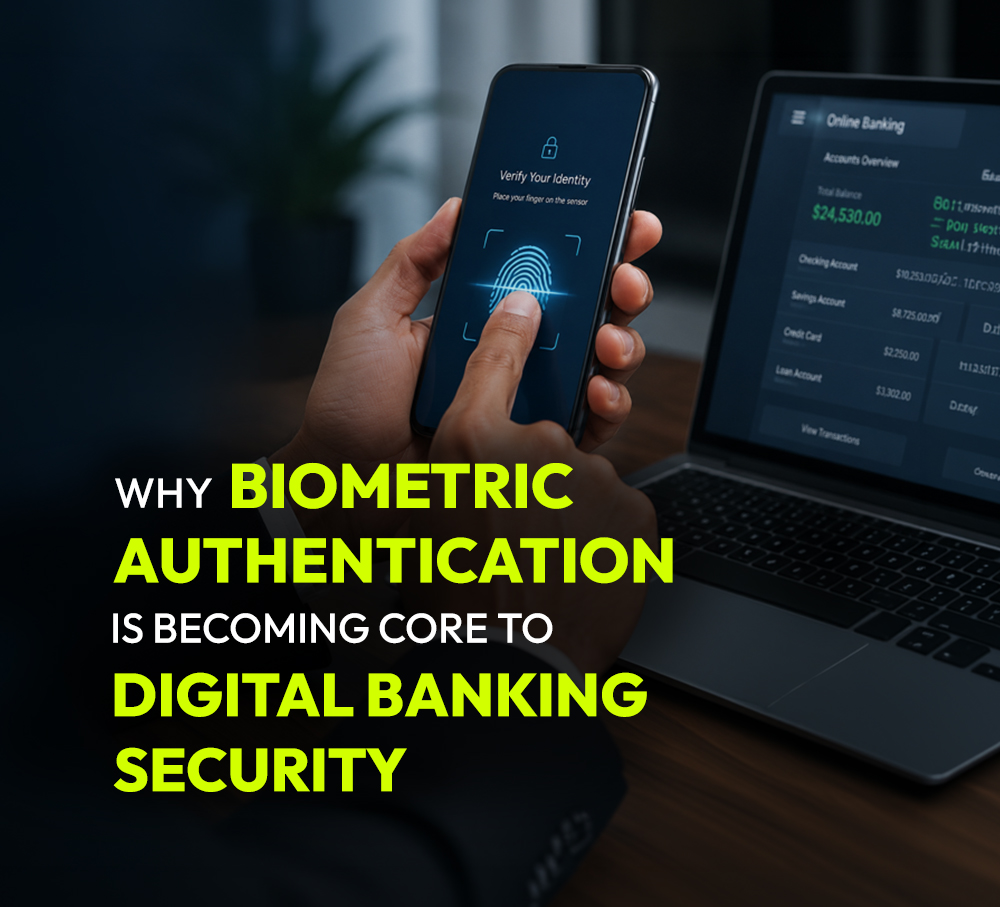
Banks in Kenya and across Africa operate in a fast-moving digital environment. Customers demand instant access to services through mobile apps, while threats grow more sophisticated. Biometric authentication in banking has emerged as a practical way to meet both needs. It verifies users through unique physical or behavioural traits rather than easily shared codes.
This approach supports secure yet convenient transactions in a market where mobile money reaches over 90% of adults. Institutions gain better protection against account takeovers, and users avoid lengthy login steps. As digital banking expands, biometrics help balance security, inclusion, and regulatory compliance without adding unnecessary friction.
What Is Biometric Authentication?
Biometric authentication confirms your identity using your unique physical or behavioural traits. The system saves an initial measurement and compares it to the live scan every time you try to access your account. For security, modern solutions encrypt and store only mathematical codes, never the actual images.
Phones use built-in sensors to collect data, while ‘liveness’ checks confirm that a real person is present. This stops hackers from using photos or masks to trick the system. Banks use these tools to secure logins, approve payments, and recover accounts.
This technology works for both in-person and remote banking. It supports many devices used in Kenya, including smartphones and basic phones. Improved systems now accurately recognize users despite changes in lighting or physical conditions.
Types of Biometrics Used in Banking
- Fingerprint recognition matches unique ridge patterns on a finger. It remains reliable on many mobile devices and works quickly for daily logins.
- Facial recognition analyzes facial structure through the device’s camera. Current versions include movement detection to confirm live presence.
- Voice authentication examines speech traits such as tone and rhythm. Users speak a short phrase during calls or app interactions.
- Iris and retina scanning capture detailed patterns of the eye. These offer high precision but require specialized hardware, limiting their use mostly to branches or high-security settings.
- Behavioral biometrics track how people interact with devices, including typing speed, swipe patterns, and holding angle. This runs quietly in the background for ongoing checks.
Why Traditional Authentication Methods Are No Longer Enough
The Limits of Passwords and PINs
Passwords and PINs create persistent weaknesses. People forget them, share them, or pick simple combinations that fraudsters can guess or steal through phishing. Reset procedures take time and open new attack points. In busy support centers, these requests increase operational costs.
Once credentials leak, attackers gain full control until the user notices. This model does not adapt well to high-volume mobile transactions common in Kenya.
The Scale of Digital Banking Fraud
In 2024, fraud losses in Kenya jumped to 1.59 billion shillings, with over half of these crimes happening on mobile devices. Scammers used tactics like SIM swaps and social engineering to steal money. Overall, fraud cases nearly doubled, with identity theft and card fraud also increasing.
Across Africa, digital banks face frequent attempts to bypass document checks and biometrics. Traditional checks cannot keep pace with automated or human-driven attacks. Banks need continuous verification that keeps pace with mobile-first services.
Key Benefits of Biometric Authentication in Digital Banking
Stronger Security, Fewer Loopholes
Biometric traits are hard to copy, and using multiple types makes it tougher for hackers. ‘Liveness’ technology stops deepfakes, while behavioural monitoring spots unusual activity immediately. This prevents theft, reduces fraud, and helps banks keep accurate records.
This prevents account theft and illegal payments. It helps banks reduce fraud and maintain accurate records.
A Better Experience for Customers
Users can log in quickly with a glance or touch instead of typing codes. This speed is important for daily tasks like market payments or urgent transfers, leading to fewer abandoned sessions and higher user satisfaction.
Simple biometric interactions help bank users with lower literacy or limited device experience. After implementing these systems, banks notice higher engagement with their apps.
Compliance and Regulatory Alignment
Biometric systems help banks comply with Kenyan regulations that require strong verification methods, such as live selfies. By creating reliable audit records for KYC (Know Your Customer) and AML (Anti-Money Laundering), banks demonstrate to regulators that they take identity verification seriously.
Biometric systems use proper consent and encryption to comply with data protection laws, which increases trust among both authorities and customers.
Biometrics in African and Kenyan Banking – A Growing Trend
Mobile-First Markets and the Biometric Advantage
High mobile use makes it easier to adopt biometric tools on standard phones. This helps more people access banking services. Also, national IDs now use biometrics, making it simpler for banks to verify identities.
What Banks in Kenya Are Doing
Kenyan banks are verifying customers using fingerprint and facial scanning in their mobile apps. They are also testing ‘multimodal’ methods using different biometrics to achieve better results locally.
Challenges and Considerations in Biometric Banking
Privacy is a major priority, so banks must protect data and obtain explicit user consent. Additionally, technical issues or poor lighting can sometimes cause scans to fail, even for the correct person.
Banks must store data securely and teach users how the system works. Regular updates and backup methods help prevent fraud, while planning must account for the costs and limitations of older software.
WFIS Kenya – Securing Your Digital Banking Journey
Biometric banking solutions take center stage at gatherings like the World Financial Innovation Series (WFIS) in Kenya, where industry leaders explore practical ways to strengthen protection while expanding access. These discussions support secure digital payments through verification methods tested and tailored to local realities.
Digital banking security advances when banks share experiences on implementation and threat response. Biometric authentication is a prominent focus, as teams explore tools built for mobile-heavy operations and examine how to balance convenience, compliance, and fraud prevention. Events like this help institutions adopt measures that protect users and support sustainable growth across Kenya’s digital finance sector.
Frequently Asked Questions
How does biometric authentication improve banking security?
It relies on unique traits that are difficult to steal or share, reducing the risks associated with passwords.
Is facial recognition safe for mobile banking?
Advanced systems with liveness detection verify real-time presence and resist common spoofing methods.
What are the common biometrics used by banks?
Fingerprint, facial, voice, iris, and behavioural patterns offer flexible verification layers.
Can biometrics replace passwords entirely?
Many banks use them to replace or reduce reliance on passwords for routine tasks while keeping options available.
Are biometric systems compliant with Kenyan regulations?
They help meet current KYC and strong authentication rules when implemented with proper safeguards.